
Soft Light, Quiet Luxury
Today we explore lighting strategies to achieve an understated luxe atmosphere, connecting layered illumination, refined materials, and thoughtful dimming into a calm visual symphony. Expect practical guidance, small designer secrets, and memorable stories that reveal how subtle choices invite serenity, elevate textures, and let architecture breathe without glare, clutter, or ostentation. Stay to the end for smart habits, favorite tools, and gentle prompts that help you personalize every room with confidence and grace.
Layered Illumination That Whispers, Not Shouts

Ambient Foundations
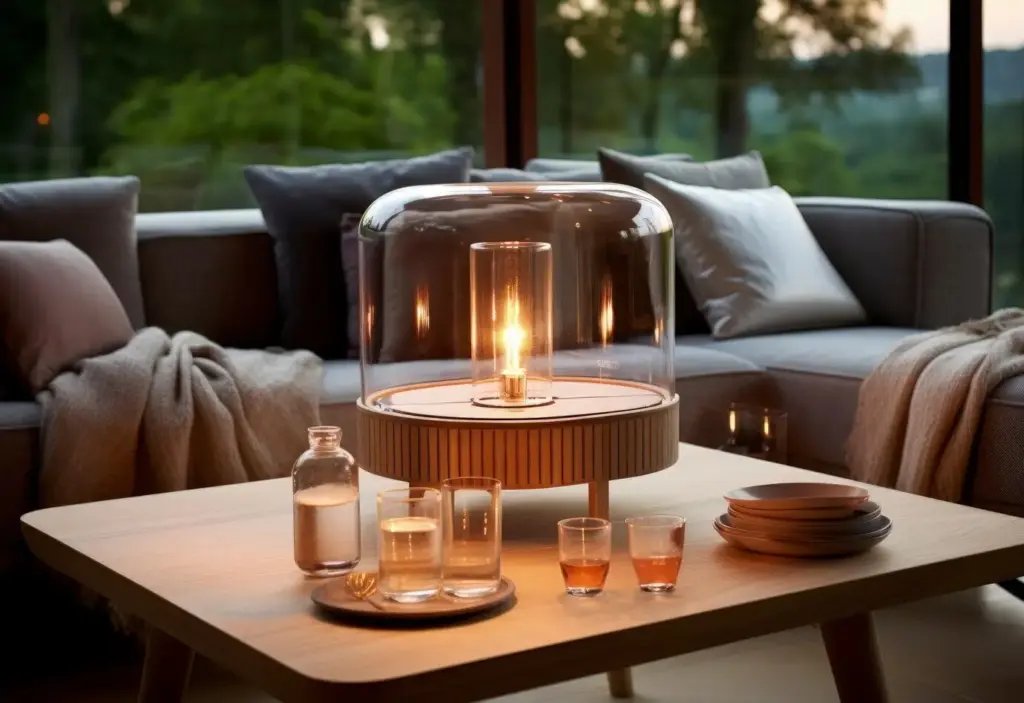
Begin with a comfortable base that eliminates harsh contrasts while preserving subtle shadows. Concealed coves, recessed downlights with wide floods, and shaded floor lamps create a breathable glow. Aim for uniformity without flatness, letting corners remain slightly dim so the eye rests naturally. This baseline makes every other layer feel intentional, calm, and grounded, like a well-tailored suit that moves gracefully without drawing attention to its construction.
Task Precision
Introduce focused light right where activity happens: a swing-arm sconce at the reading chair, a linear under-cabinet bar on the countertop, or a discreet desk lamp with a tight beam. Prioritize glare control through cutoffs, baffles, and shades. Understated luxury means clarity without drama, so beam edges should be feathered, not harsh. Calibrated illuminance ensures comfort over hours, encouraging unhurried reading, careful chopping, or quiet journaling without eye strain.
Accent Nuance
Accents should be the gentle punctuation of the room, never a megaphone. Use narrow beams to graze textured plaster, kiss artwork with museum-grade filters, or skim draperies to reveal soft folds. A few well-placed points of emphasis create depth and intimate contrast. Keep output modest and avoid hotspot glare. When done right, the room feels layered, intriguing, and composed, rewarding slow attention and inviting guests to look twice without knowing exactly why.
Color Temperature and Dimming for Effortless Mood
The most luxurious lighting adapts gracefully to time and intention. Balanced color temperatures and responsive dimming let materials shine by day and soothe by night. Warmth flatters skin tones and natural finishes, while gradual transitions reduce visual fatigue. Think of light like music: a gentle crescendo for lively dinners, a quieter passage for late conversations, and a final hush before sleep. Consistency across sources keeps the room cohesive and emotionally steady.

Materials, Finishes, and Diffusion That Elevate Without Shouting
{{SECTION_SUBTITLE}}
Opal, Linen, and Alabaster
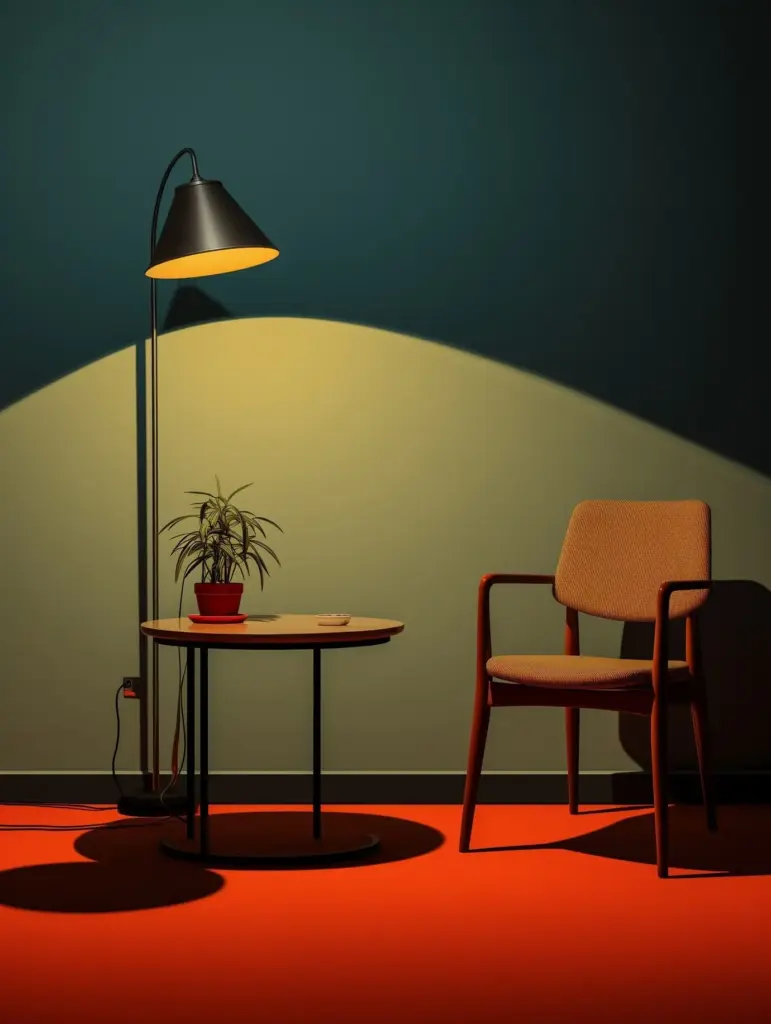
These materials soften edges and create a dimensional, candle-adjacent glow. Opal glass delivers dependable diffusion without mottling; linen shades add directional character; alabaster introduces mineral depth, revealing subtle veining when lit. Choose thicknesses that avoid hotspots and pair with dim-to-warm LEDs for evening intimacy. The result is refined light that flatters surfaces and faces, making even a simple corner feel curated, welcoming, and calm, like a quiet gallery after closing.

Brushed Metals and Low-Sheen Finishes
High gloss can feel loud; brushed brass, burnished bronze, or satin nickel reflect softly, catching just enough sparkle to suggest quality. Pair these finishes with restrained forms so the eye reads continuity rather than ornament. Minimal hardware, tight seams, and thoughtful proportions let the materiality speak in a whisper. Over time, gentle patina tells a story of care and use, amplifying the sense of permanence that defines true, lived-in luxury.
Ceiling Heights and Spacing
Tall ceilings welcome up-light coves and long pendants; low ceilings prefer shallow trims and broader beams. Keep recessed spacing consistent to avoid visual stutter. Over counters, align pendants with cabinet rhythm. Over tables, anchor the composition to the tabletop’s geometry. These quiet alignments cue comfort. Proportionate placement prevents the “busy ceiling” effect, while thoughtful distances create a gracious cadence that feels instincts-based even if carefully calculated behind the scenes.
Glare Control and Sight Comfort
An understated room is merciless to glare. Use shielding angles, honeycomb louvers, and soft diffusers to protect lines of sight, especially when seated. Position sources so the eye seldom meets the emitter directly. Glare reduces perceived quality no matter the budget, while controlled luminance signals excellence. Evaluate at night from multiple positions with lights dimmed, ensuring the view drifts toward textures and faces, not pinpoints of discomfort demanding attention.
Harmony with Architecture
Let the architecture lead. If a wall has beautiful limewash, graze it lightly; if a corridor frames a garden, draw the eye forward with subtle pools. Align fixtures with mullions, niches, or beams to suggest inevitability. In older homes, respect quirks by using flexible mounting solutions. The light should underscore what already feels right, turning architectural intent into nightly experience, so occupants feel the space is looking after them rather than performing at them.
Shadows, Contrast, and the Art of Restraint
Controlled Darkness as a Design Tool
Choose where not to intervene. Leave the far corners gentle, let shelves glow subtly, and keep ceilings quiet at night. This measured darkness makes illuminated objects feel richer and more meaningful. Consider reflectance: dark paints and textured stone absorb light beautifully, deepening contrast without aggression. When people enter, they acclimate slowly, sensing intention. The room feels like a whisper of hospitality, perfectly pitched to soothe, guide, and invite discovery without anxiety.
Layering with Negative Space
Negative space is not emptiness; it is the breath between notes. Give the eye rest by avoiding concentric hotspots. Allow shadowed fields to sit between accents, which heightens perceived quality. Edit ruthlessly: fewer fixtures, better placed, produce more elegance. The result resembles restrained tailoring, where the cut and drape matter more than decoration. This quiet discipline makes a space photograph beautifully and live even better, patient and gracious over long evenings.
Grazing and Washing with Intention
Wall washing can calm a room; grazing can dramatize texture. For understated luxury, use them like seasoning. A soft wash behind a sofa expands space; a gentle graze across plaster reveals craftsmanship without shouting. Maintain tight beam control to avoid spill on ceilings or floors. Balance both techniques within the wider composition, ensuring the room feels layered yet coherent, as if light is a native property of the surfaces it touches.
Stories and Habits That Bring Subtle Brilliance to Life
Real rooms teach best. A narrow hallway felt cramped until low, continuous cove light lifted the ceiling while tiny floor washers traced a path. A bedroom transformed when bedside shades switched to dim-to-warm, easing late reading into sleep. In a dining nook, a linen-shaded pendant and perimeter uplight made conversations slower, kinder. Share your experiences, ask questions, and subscribe for new lessons, product tests, and thoughtful prompts you can apply immediately at home.
A Hallway Finds Its Confidence
We replaced scattered ceiling downlights with a soft linear cove near one wall, then added minimal steplights at knee height. The ceiling felt higher, art read crisply, and nighttime navigation became effortless. The surprise was silence: without speckled glare, footsteps softened and voices lowered. The project cost little but delivered quiet dignity, proving that restraint, alignment, and gentle guidance outperform brute brightness in achieving a calm, luxurious passage every single day.
Calm Rituals in a Bedroom
Two bedside lamps with warm dimming build a dusk-like transition, while a concealed headboard strip provides barely-there reading fill. The closet uses low-glare recessed fixtures linked to motion sensors for sleepy mornings. Cool lights stay outside this room at night. Over weeks, sleep improved, and the space felt protected. Readers wrote to say these small shifts changed evenings profoundly, replacing harsh overheads with a kind of lullaby made entirely of light.
First Impressions at the Entry
A modest pendant with an opal diffuser sets a cordial tone, while a picture light kisses a framed piece above the console. A recessed floor washer nods to safety without spectacle. Guests step inside, pause, and exhale; there is nothing to figure out. The impression is generosity without showiness. If you try this, tell us which detail surprised you most, and consider subscribing for seasonal refreshers and new layering exercises to refine the effect.